












Payment straps
Payment wristbands for children are a convenient way to make contactless payments without having to carry cash or a payment card. Thanks to NFC technology, a child can quickly and securely pay for small purchases with a single flick of the wrist. Find out how payment wristbands work and why they’re becoming an increasingly popular choice among parents looking for modern solutions for their children.
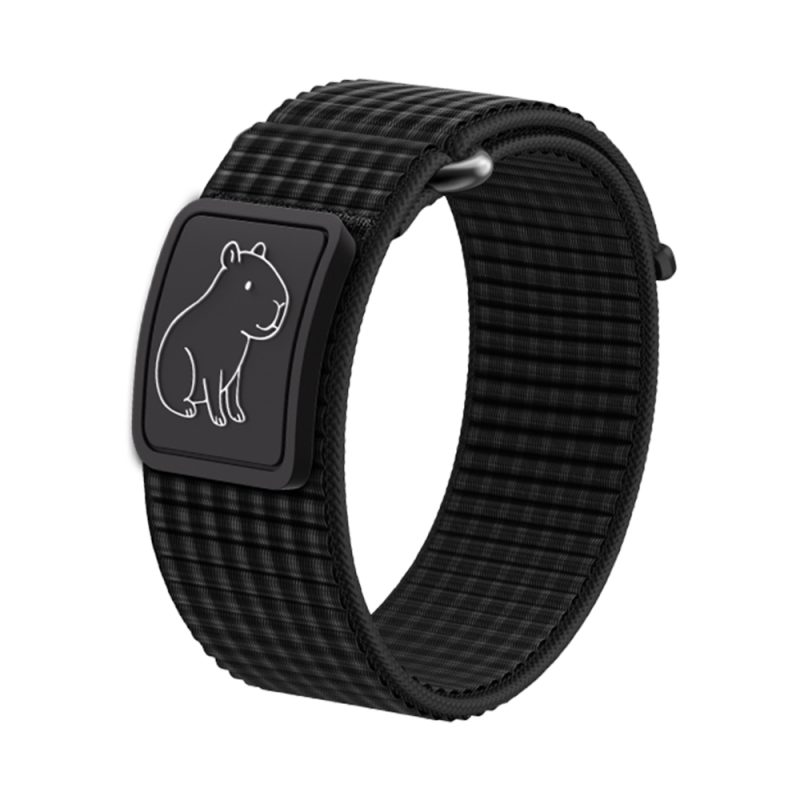
What is a payment strap?
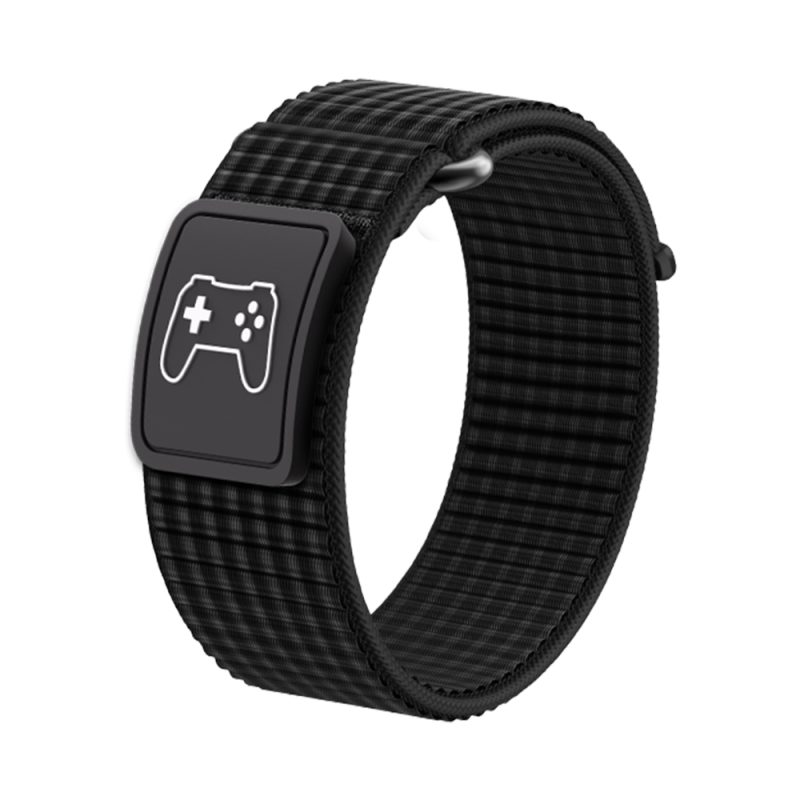
It is a small device worn on the wrist that allows you to make contactless payments without having to take out your wallet, card, or phone. MAXCOM currently offers payment wristbands designed for children, which enable convenient and secure contactless payments without the need to carry cash or a payment card.
How do NFC payment wristbands work?
The payment wristband works using NFC (Near Field Communication) technology, which is also used in payment cards and smartphones that support contactless payments. To use the wristband, you must first link it to the appropriate payment service or bank account. Then, simply hold your wrist near the payment terminal, and the transaction will be processed in the same way as when paying with a contactless card.
When is an NFC wristband useful?
A payment wristband for children is ideal wherever kids need convenient access to cashless payments. It can replace cash during everyday activities and make small purchases easier. It’s perfect for:
- on the way to school;
- on school field trips;
- during after-school activities;
- when making small purchases on their own;
- in situations where a parent doesn’t want to give their child cash.
With it, there’s no need to take out a wallet or phone—just hold your wrist near the payment terminal.
Who is the payment wristband a good solution for?
Kids love using modern technology, which is why the payment wristband is extremely popular with both younger children and teenagers.
The payment wristband is particularly well-suited for:
- for school-age children who make small purchases on their own;
- during school field trips and summer camps;
- for children attending extracurricular activities;
- for parents who want to limit the need for their child to carry cash;
- in families that prioritize modern and secure cashless payments.
NFC Payment Wristbands—How to Choose the Right Model for Your Child?
Although all payment wristbands serve the same purpose—enabling quick contactless payments—individual models may differ in functionality, appearance, and how they work.
When choosing an NFC wristband, it’s worth checking:
- compatibility with your bank or payment provider—make sure the wristband works with the services you use;
- comfort – the wristband should be lightweight, comfortable, and fit snugly on the wrist;
- material—especially if you plan to use it during physical activity or in various weather conditions;
- water resistance—useful during workouts, walks, or everyday use;
- ease of putting on and taking off;
- durability for everyday use;
- ease of setup for parents.
A well-chosen NFC wristband for a child makes it easy to make everyday payments and offers parents greater convenience and a modern alternative to cash.
Contactless Payment Wristband – FAQ
1. How do I activate a payment wristband for a child?
Activation is handled by the payment service provider—the wristband must be linked to a card or account in an app that supports contactless payments. This process is typically carried out by a parent or guardian through their own account. Once setup is complete, the wristband works independently, without the need to log in or pair it again.
2. Does a child need to have their own bank account?
It depends on the payment service provider you choose. Some banks offer accounts for children as young as a few years old, complete with a card and a linked wearable device; other solutions rely on prepaid accounts that are topped up by a parent. Before making a purchase, it’s a good idea to check with your bank to see which contactless devices it supports and from what age.
3. Can you set a spending limit on the wristband?
Spending limits—daily, monthly, or per transaction—are set in the payment service provider’s app or online banking portal, just as they are for a regular card. Many parents also use push notifications for each transaction, which allow them to see in real time where and how much their child has spent.
4. What should I do if my child loses the payment wristband?
If the wristband is lost, you should unlink it from the payment card as soon as possible using the dedicated Fidesmo app. The wristband itself does not store card data in a format that can be read by third parties, and once the service is blocked, it becomes useless to the person who finds it.
5. Can I use the wristband to pay on public transportation and at vending machines?
Yes, anywhere contactless payments are accepted. This includes fare validators on public transportation vehicles that accept card payments, snack and beverage vending machines, ticket machines, and self-service checkout counters. Simply hold your wrist close to the reader—just like with a traditional contactless card.
6. Can I wear the wristband during PE class and at the pool?
Maxcom Pay payment wristbands are lightweight and designed for everyday wear, including during sports activities.
7. How do the available wristband designs differ?
The lineup includes wristbands featuring a gamepad design and a capybara design. Both work identically from a technical standpoint and are priced the same—the only difference is the design, allowing you to choose an accessory that matches your child’s interests. This often determines whether children are eager to wear the wristband every day.