















Landline phones for seniors
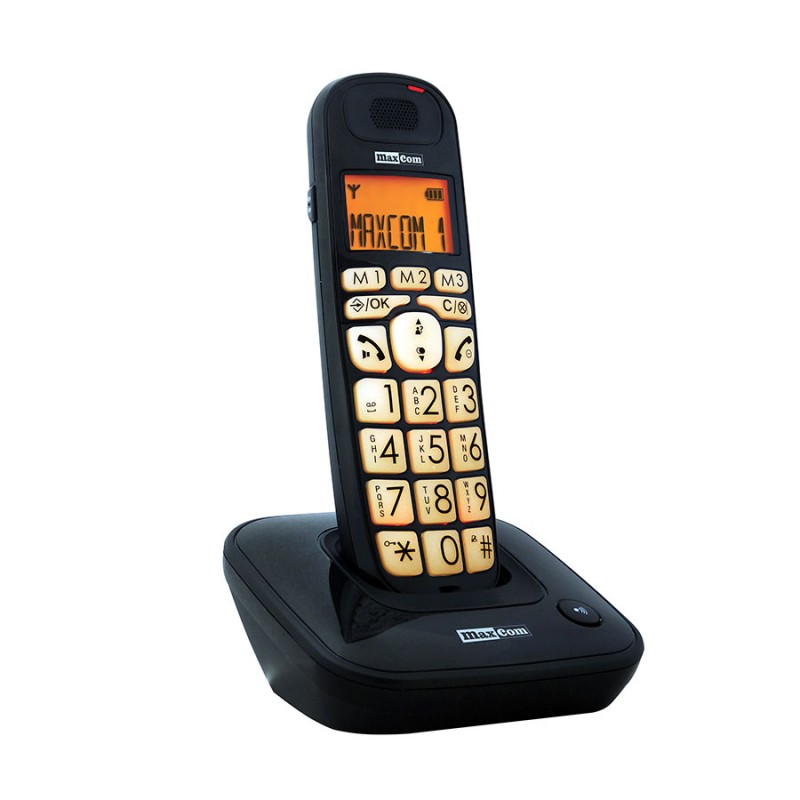
Are you looking for a phone that’s easy to use, easy to read, and always within reach? Landline phones for seniors are equipped with large buttons and easy-dialing features.
Why Choose a Landline Phone for a Senior?
Not every senior needs a smartphone with apps, a touchscreen, and a complex menu. Some just want to answer the phone easily, call their loved ones, and always have the device in the same place. That’s exactly why a landline phone for seniors is still a popular choice! Large buttons, clear labels, and simple operation make calling easier, especially for people who don’t like complicated electronics. The phone also doesn’t get lost in a jacket pocket or at the bottom of a bag—it stays right where the senior expects to find it.
If you’re looking for a device designed primarily to make communication easier—rather than adding yet another set of features to master—a landline phone is exactly what you need.
How to Choose a Landline Phone for an Elderly Person?
A good landline phone for seniors should, above all, be easy to use. Instead of focusing on extra features, in this case it’s better to check whether the senior can easily answer a call, dial a number, and read the most important information.
Think about what the senior finds most difficult and in what situations they use the phone most often.
- If the senior has hearing loss, look for a phone that allows them to adjust the call and ring volume. It’s important that the call is clearly audible even when the phone is in another room.
- If they have poor eyesight—large numbers, high-contrast labels, and a clear display without too much information will be helpful.
- If they have difficulty with fine motor skills—choose a model with larger, clearly separated buttons and a handset that’s easy to grip securely.
- If they have trouble remembering numbers—stored contacts and speed dial for close contacts will be practical.
- If they rarely use electronic devices—the simpler the operation, the better. A complex menu can only make using the phone more difficult.
- If they have limited mobility—consider a cordless model that they can carry with them throughout the house.
The best phone for a senior is one that solves their specific everyday problems. It’s best to start comparing models based on the user’s needs.
A corded or cordless phone for a senior?
Both options have their advantages.
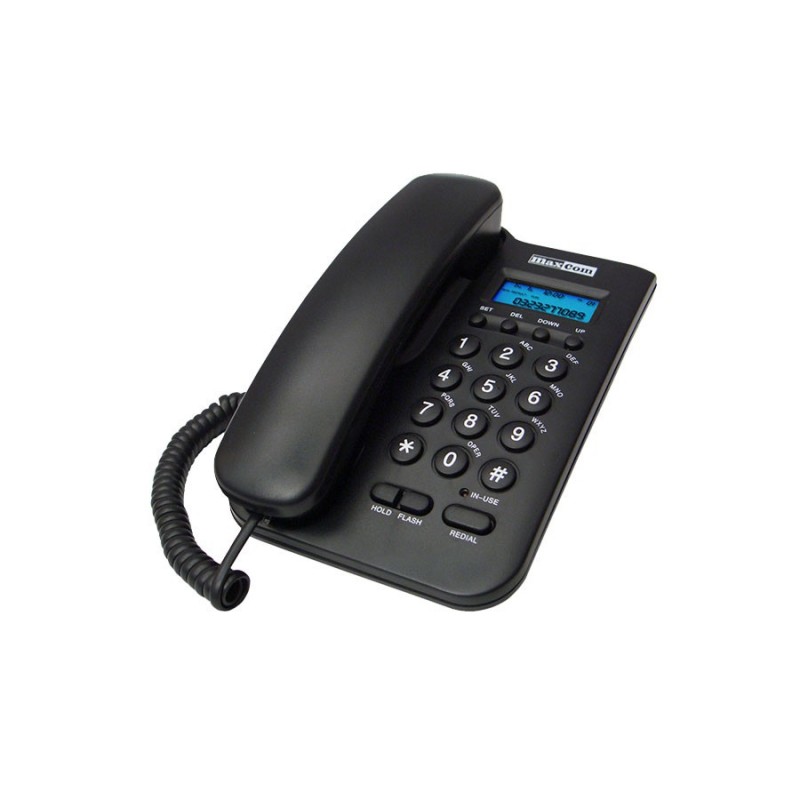
- A corded phone works well if the senior prefers simplicity and wants the phone to always stay in one place. There’s no need to remember to hang up the handset on the base or to charge it.
- A cordless model offers more freedom. You can answer a call from an armchair, the kitchen, or the bedroom without having to walk over to the phone. This is especially convenient if the senior has limited mobility or lives in a larger home.
When choosing landline phones for seniors, it’s worth considering what’s more important: maximum ease of use or the ability to move around freely with the handset. If the phone is going to stay in one, easily accessible spot, a corded model may be perfectly sufficient. If mobility is a priority, a cordless model is the better choice.
Landline Phones for Seniors—Features That Make Daily Use Easier
A good phone for a senior should simply take the hassle out of everyday use. Sometimes, less is more. Other times, it’s worth opting for additional features that make it easier for a senior to use the phone. It all depends on the senior’s needs.
What features are available on landline phones?
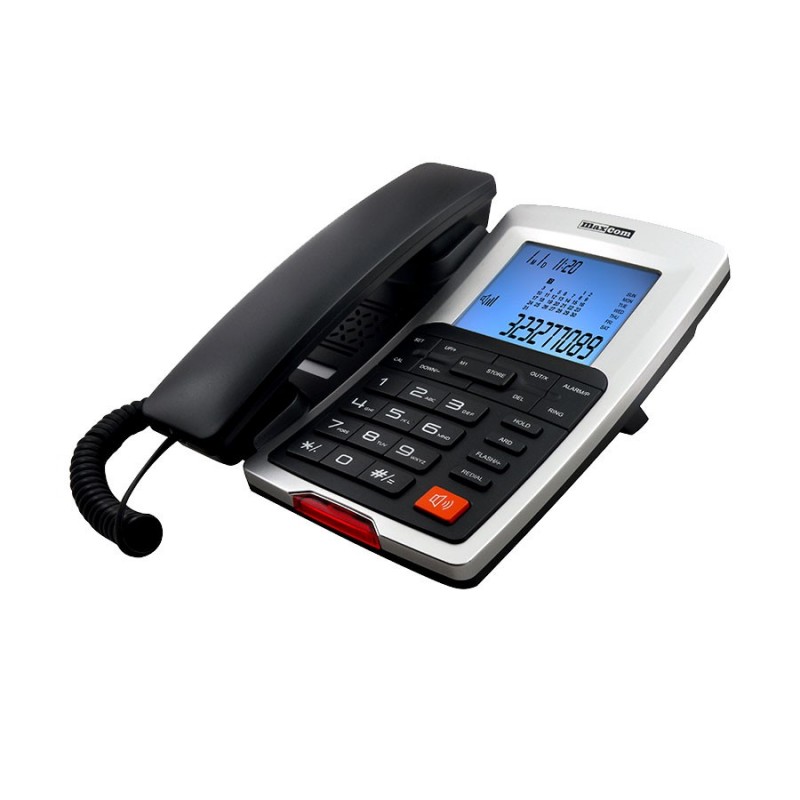
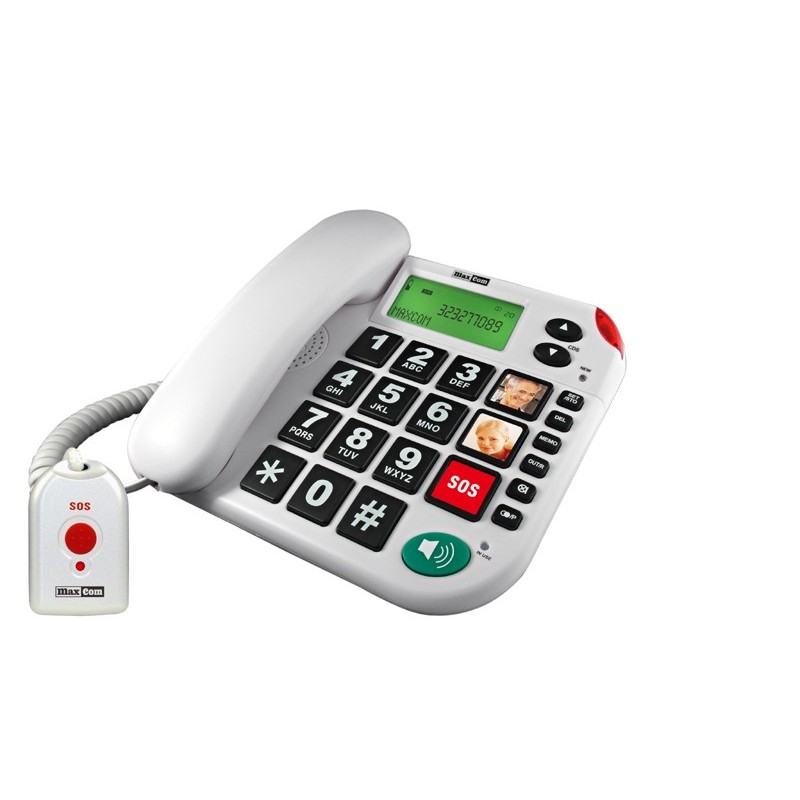
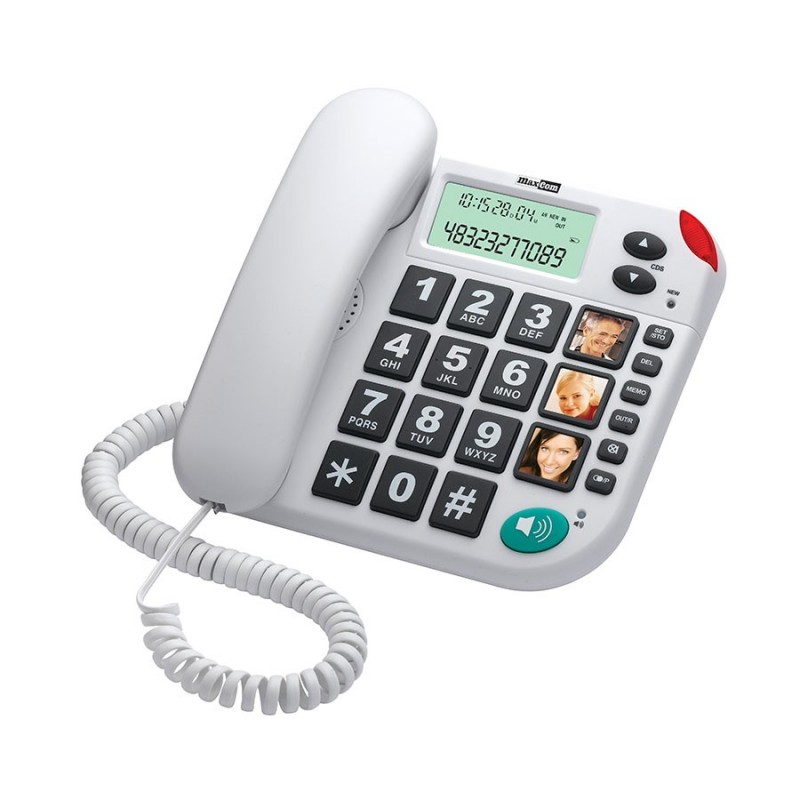
- Large, clearly labeled keys—they help dial numbers faster and reduce the risk of mistakes.
- Speed-dial buttons—allow you to assign your most important contacts, such as children, grandchildren, or a caregiver.
- Call and ringtone volume control—useful for people who need a louder sound.
- Easy-to-read display—large numbers and a simple layout make it easy to see the caller’s number.
- Hands-free mode – lets you talk without holding the receiver to your ear.
- Simple phone book – makes it easy to save frequently used numbers without having to re-enter them all the time.
- Stable base or housing – makes it easier to put the phone back in its place and harder to accidentally knock it over.
Choose a model that suits the senior. It’s simplicity and convenience that determine whether the phone will actually be used every day.
At MAXCOM, you’ll find both simple, basic landline phones and models equipped with more features. Choose the best phone for a senior in our online store!