












NFC Wristbands in Schools—How Is Maxcom Pay Changing Everyday School Life?

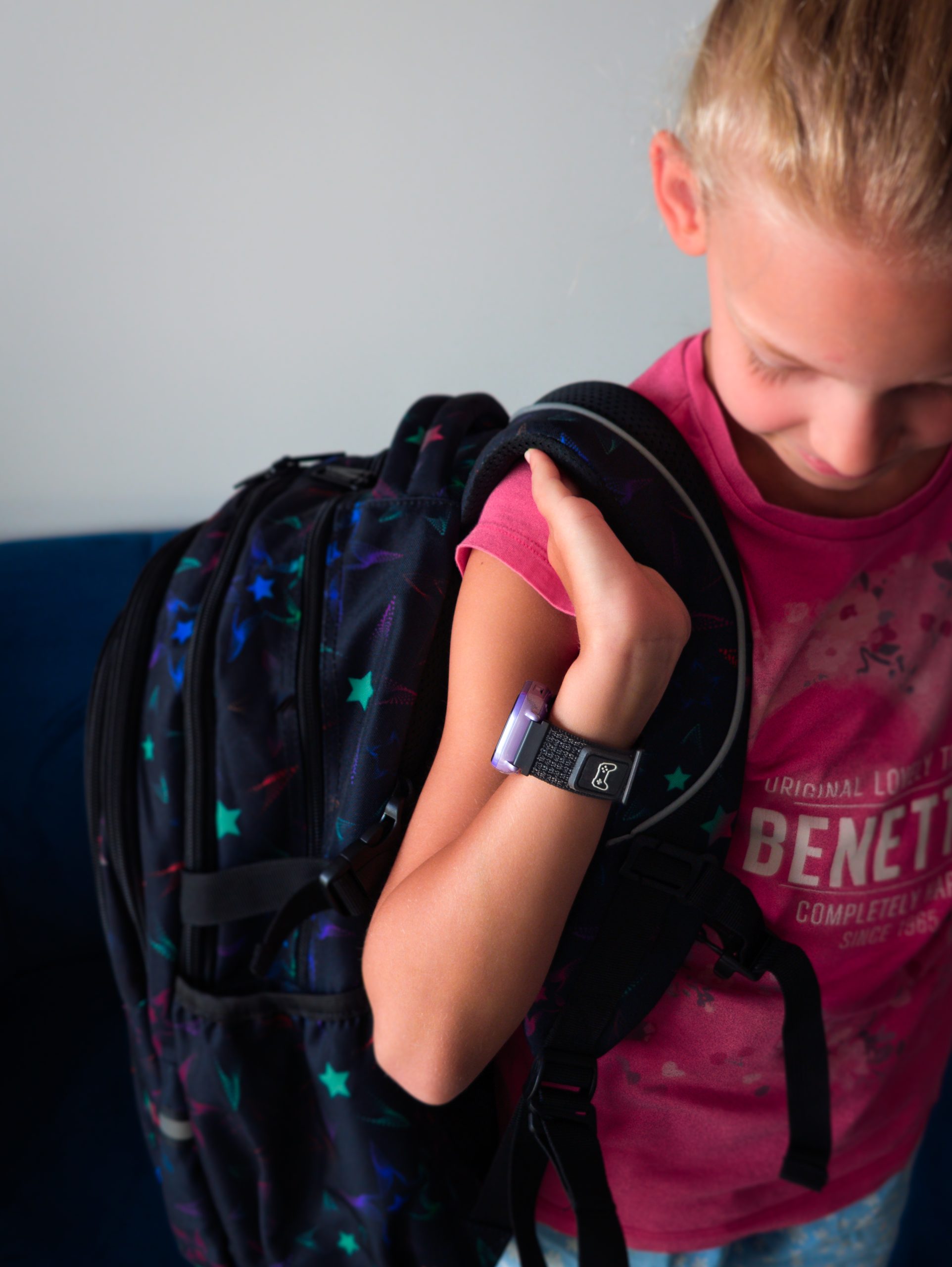
Have you already put together a back-to-school kit for your student? You should also include an NFC wristband. At school and at home, it will help with your child’s financial education while also providing a sense of security in unexpected situations.
NFC Wristbands at School—Here’s What You Need to Know:
- An NFC wristband is a secure payment tool for use at school and beyond. It stays securely on the wrist, minimizing the risk of loss or theft, and payments are encrypted with a token, which protects the card’s data. This gives your child access to money in case of emergencies without having to carry cash.
- It supports financial education and independence. By giving your child an allowance in digital form, you teach them the value of money and how to manage a budget responsibly. The NFC wristband allows for discreet parental control, such as setting transaction limits and monitoring spending.
- It makes everyday life easier and supports social integration. The wristband allows for small purchases at the school store, buying a notebook before class, or getting ice cream on a spontaneous after-school outing with friends. It gives your child a sense of independence and helps avoid situations where a lack of cash would exclude them from activities with their peers.
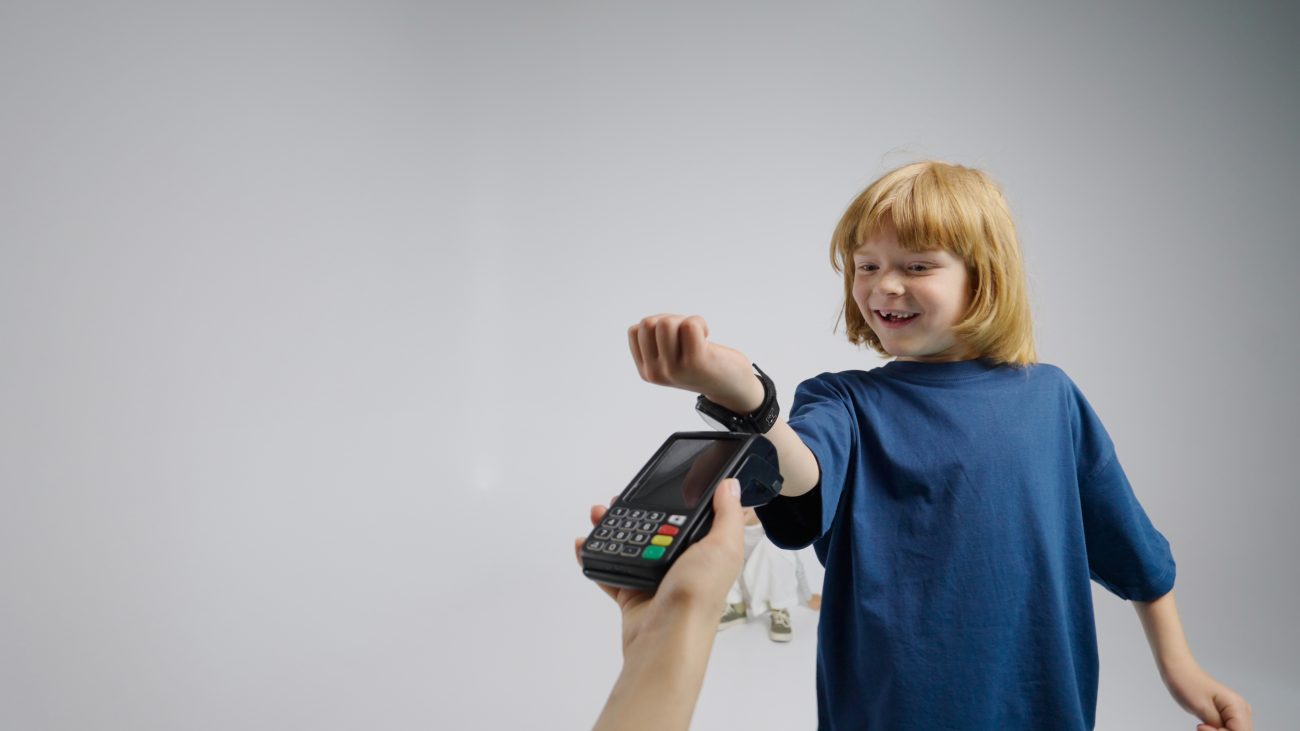
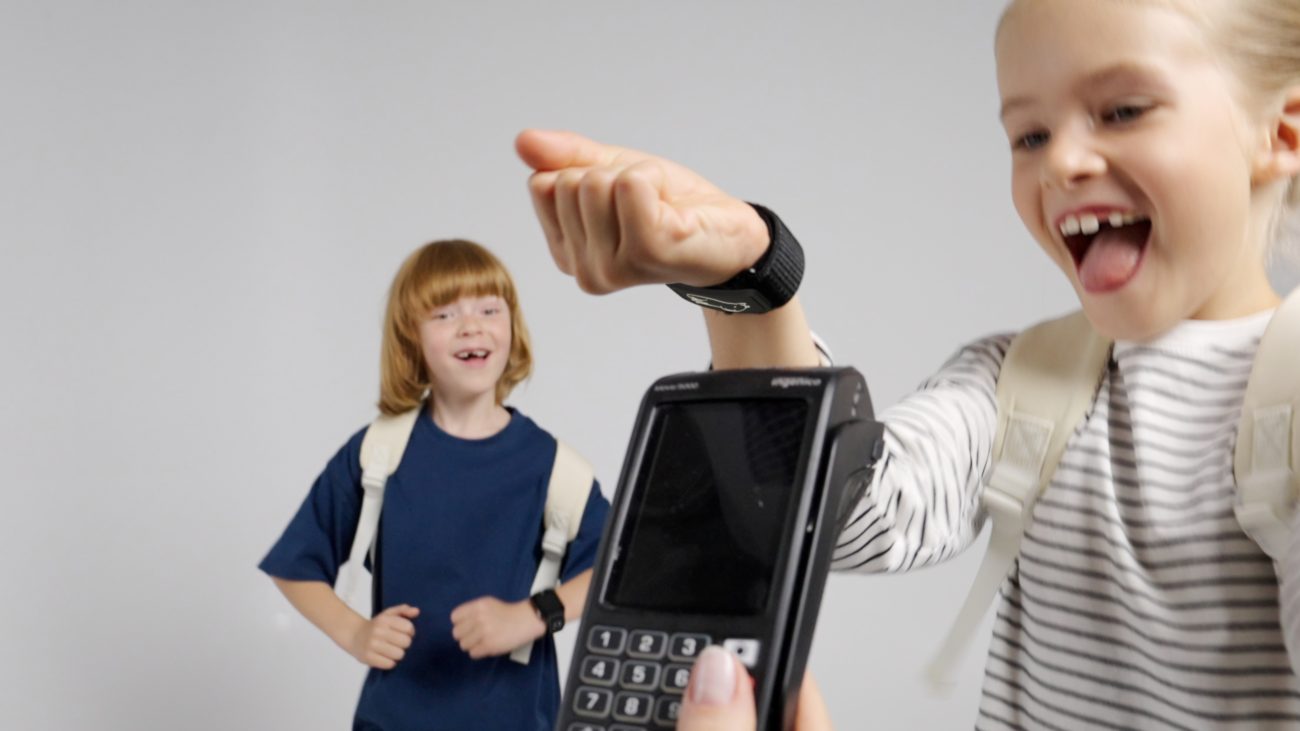
- It complies with school rules and is easy to use. The wristband does not distract students, as it is used exclusively for payments. It’s easy to use—just tap it on the terminal. It’s a simple and convenient solution that changes the way you think about allowance.
How does an NFC wristband at school increase your child’s safety?
When your child goes to school, you can’t watch over them constantly. You need to give them some freedom so they can explore the world on their own terms, which is a very important stage in their healthy development.
However, this doesn’t mean you can’t do anything to give them a sense of security—and give yourself peace of mind—whenever they’re out of your sight. In this context, an NFC wristband at school proves to be helpful.
How can it benefit a student? One of the biggest advantages of having one is constant access to cash without worrying that it will be lost or stolen, leaving your child without money—even for a snack. NFC technology enables contactless payments, and since this accessory is always securely fastened to the wrist, it’s hard to lose.
What is the purpose of a payment wristband for a child at school?
Using an NFC wristband at school also offers a tangible educational benefit. While the current curriculum overlooks topics related to managing one’s own money, this gadget can help you begin teaching your child about it on your own. By giving your child an allowance, you can teach them the value of money and how managing it wisely is the first step toward responsibility in adult life—and that will happen sooner than you think.
An NFC wristband at school can also help children learn independence when dealing with minor problems. Instead of immediately calling Mom or Dad, your child will first consider whether they can handle the challenge on their own, such as paying for an alternative mode of transportation when they miss the regular bus, or for a birthday gift for a friend they completely forgot about. From a parent’s perspective, this translates to peace of mind in two ways:
- first, you don’t have to worry about a lot of little things,
- second, you’re raising a responsible child who can handle any situation.
How does using an NFC wristband at school change everyday life?
Even if you pay for meals in the school cafeteria and provide transportation to and from school, access to emergency cash can prove to be an invaluable benefit. Situations requiring access to small amounts of cash happen more often than usual. All it takes is for your child to:
- forget to ask you to buy a notebook or art supplies they need for class—they can quickly pick them up at a nearby stationery store,
- want to buy a sweet treat at the school store—for example, because of a simple craving or a real need, such as low blood sugar,
- go out for a spontaneous get-together with friends after school —this will give them the opportunity to socialize with their peers without having to give up paid entertainment or feel excluded simply because they forgot to bring cash from home for an emergency.
An NFC wristband for a student will also prove extremely helpful when the student goes on an organized class activity (e.g., the pool or the movies) or goes on a school trip. In such cases, providing them with pocket money for small treats is essential, but cash can be unreliable. A moment’s inattention is all it takes for it to fall out of a pocket or be stolen by a skilled pickpocket, leaving the child without any money.
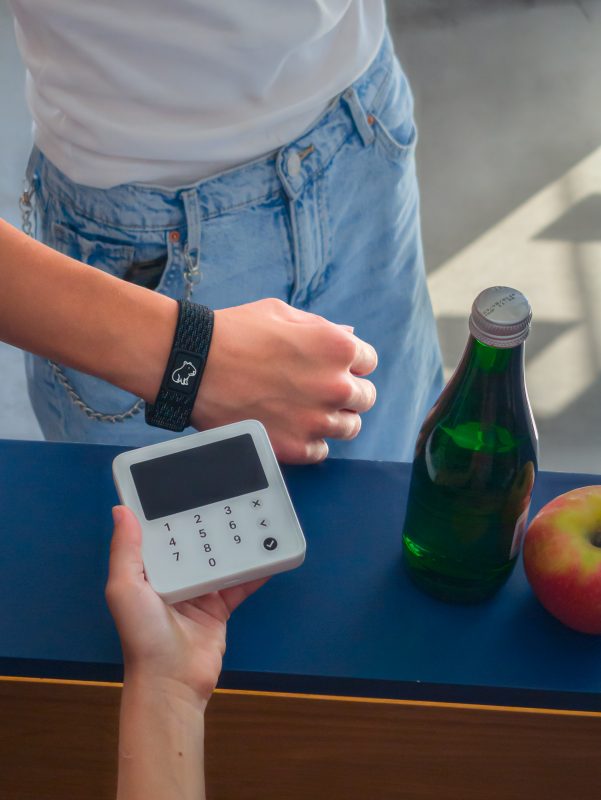
This risk is virtually nonexistent with NFC payments. The wristband fits snugly against the skin, so there’s no need to worry about it slipping off the wrist. With the Fidesmo app, you can link the device to your card—or, if your child’s financial literacy is already more advanced, to their own card. Making a payment is simple: just hold the accessory up to the terminal, and the transaction is complete.
Contrary to what you might think, constant access to money doesn’t necessarily lead to impulse purchases right away. If you teach your child to manage their budget wisely, they’ll remember it. Limits set for the card will protect you from potential mistakes, which are a natural part of the learning process. Set them in the banking app, and they’ll also apply when paying with the wristband.
How does an NFC wristband for students support money management education?
It’s a good idea to start financial education early on, in a natural way that’s embedded in a friendly context. Playing store or introducing a piggy bank are usually the first steps, followed by setting a specific savings goal, such as a dream toy or video game console. It’s also important to talk about finances in a relaxed way, without any taboos, so that they’re seen as a normal part of everyone’s life, rather than something embarrassing that needs to be hidden.
When a child begins their journey through traditional schooling, it’s a good idea to give them their first allowance, though not necessarily in the form of cash put into a piggy bank. A payment card for a child to use at school works just as well in this role, and its use offers additional benefits.
The most important of these is the ability to discreetly monitor how your child is managing their own budget. You can see every transaction in the transaction history and discuss all expenses later. Just remember that everyone learns from their mistakes, and you shouldn’t punish your child for them if you want to maintain their trust. A calm conversation will achieve just as much, while also creating a safe space for exchanging opinions and further financial education.
Time for a small revolution: responsible cashless shopping
Simply buying a payment wristband and giving it to your child won’t instantly turn them into a “finance guru” or make them more responsible than before. This process requires a bit of effort from both sides. You provide them with knowledge about the role of money in everyday life, and your child absorbs it and puts it into practice.
It’s worth noting one more issue here: security. NFC wristbands—whether at school or elsewhere—cannot be used without authorization without a phone, nor can payment card data be read from them, because it’s hidden behind a token. They’re also hard to lose, since they’re securely fastened to the wrist and your child will notice right away if it’s missing—unlike a wallet, which can slip out of a pocket unnoticed.
The sooner you start financial education, the better. Although it all depends on individual aptitudes, many parents begin this process as early as preschool and guide their children all the way to adulthood and their first independent decisions.
FAQ – Frequently Asked Questions
Can you wear an NFC wristband at school?
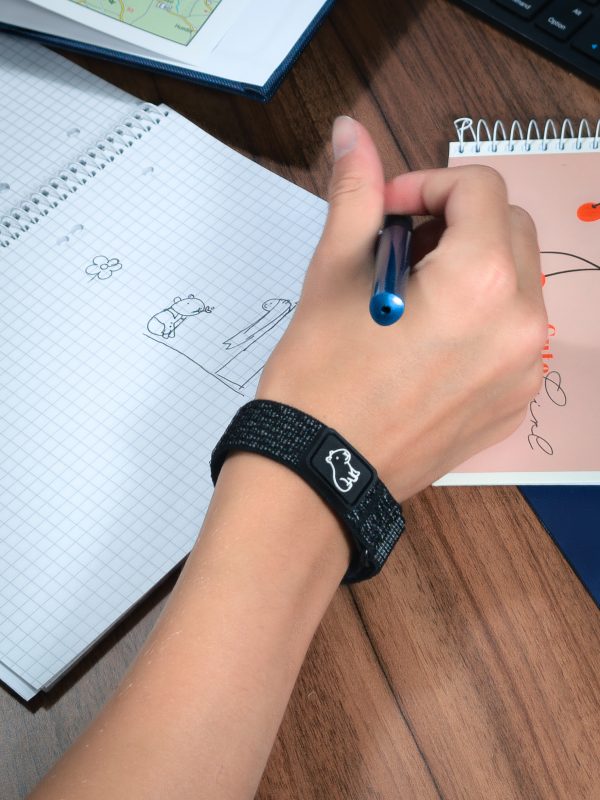
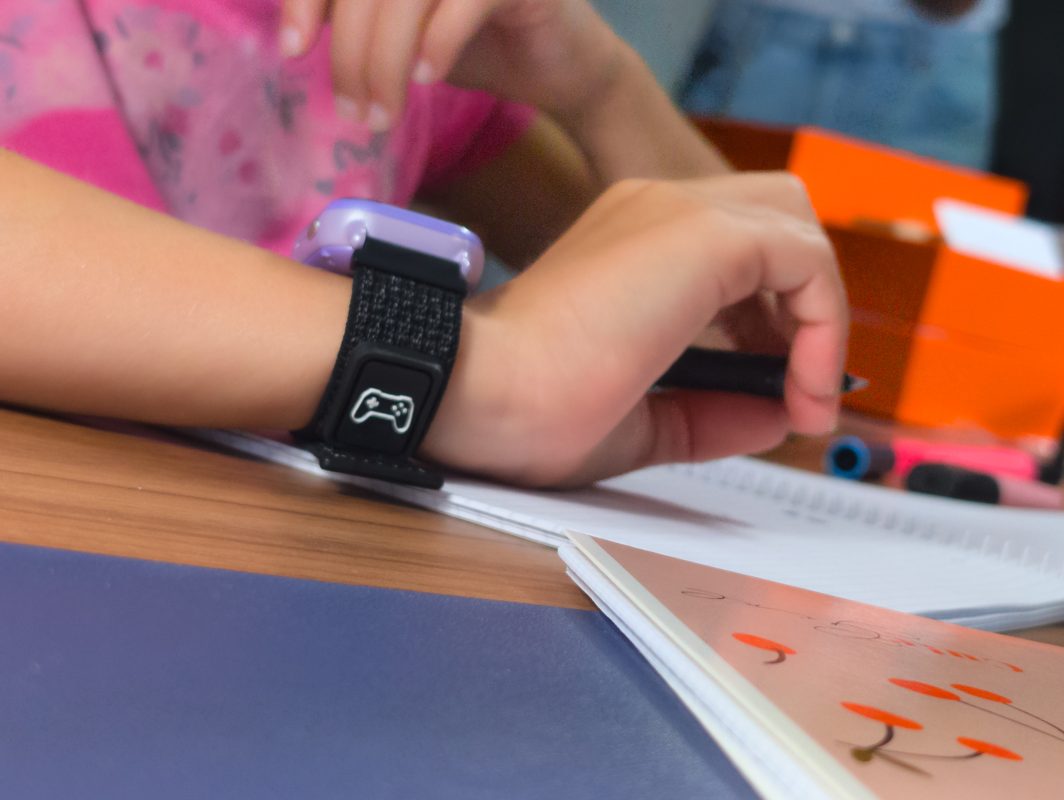
In some schools, the school policy prohibits the use of cell phones or other gadgets. Most often, however, this rule applies only during class, when children should not be distracted by electronic devices. In the case of an NFC wristband, this is not a concern, as it has only one function—making NFC payments—which does not affect a student’s attention in any way. Wearing such an accessory in a classroom is therefore comparable to wearing a regular watch or bracelet, and thus should not cause any problems.
Do you need to link your card to your child’s wristband?
If your child is just beginning their financial education, this is recommended. However, it’s worth keeping in mind that, over time, it’s a good idea to set up a separate account for them with their own debit card. This way, you’ll introduce them to how banking products work, which will be useful in their adult life. If you decide to take this step, you’ll give your child more freedom to learn on their own terms, and you can monitor their progress simply by talking with them about their planned and achieved financial goals—just as one adult would with another.
Is an NFC wristband for a child a smartwatch?
No. Although these accessories may look similar at first glance, they differ significantly in both design and available features. A smartwatch generally has more features, which aren’t limited to contactless payments but also include, for example, workouts, sleep tracking, or answering calls without reaching for a phone. The Maxcom Pay wristband is different—it doesn’t make sounds, generate light signals, or emit blue light. It isn’t just another screen that a child might become attached to—its sole function is secure payment.