














Teaching Children Financial Responsibility—How Does the Maxcom Pay Wristband Help Them Make Good Decisions?

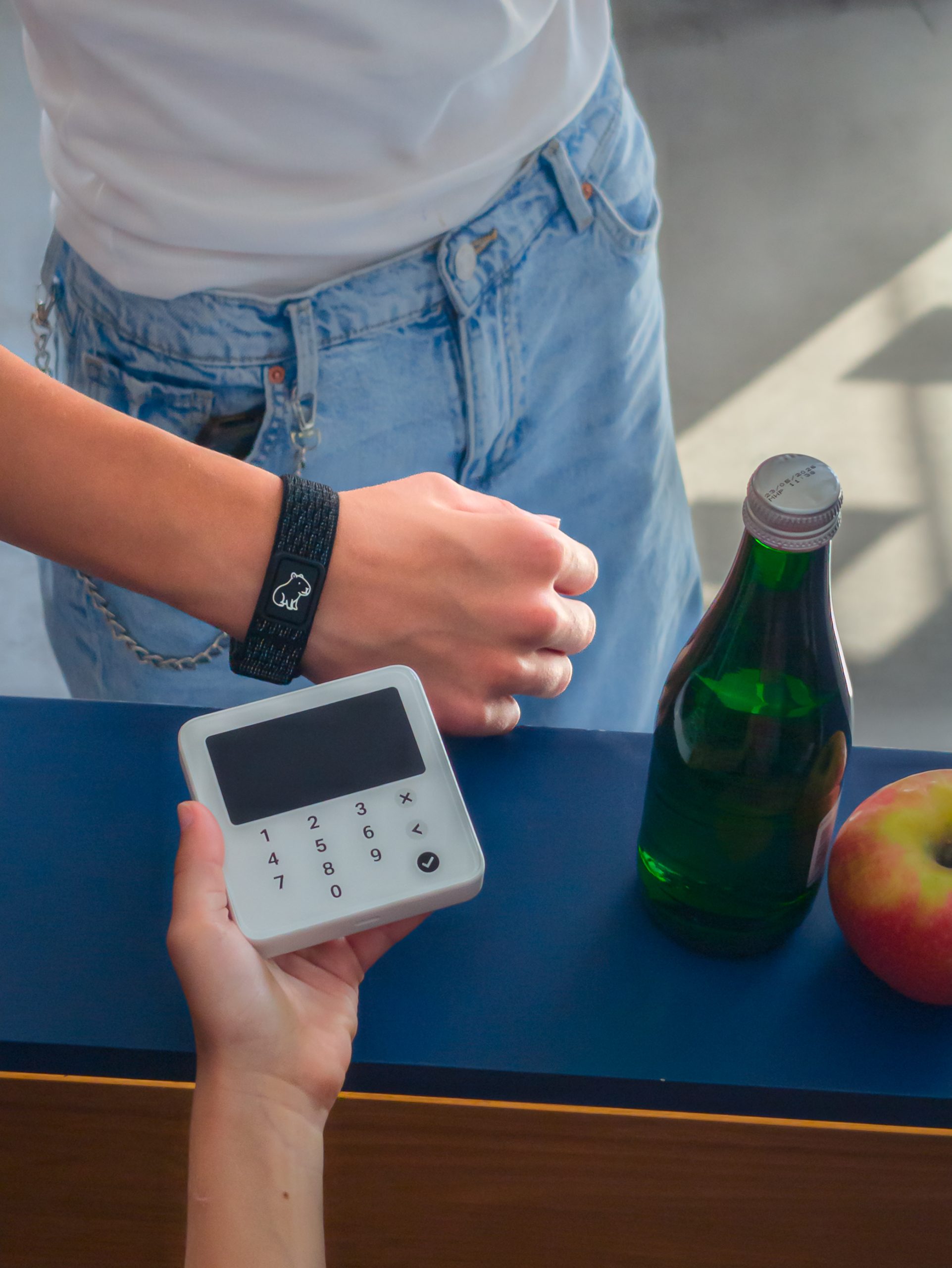
Financial responsibility starts with small decisions. The Maxcom Pay wristband turns allowance into a practical lesson: children make contactless payments, see their balance, and learn to plan their budget. Fewer impulse purchases, more smart habits—this kind of financial responsibility in children will pay off in the future.
Financial responsibility for children—what you need to know:
- The Maxcom Pay wristband turns regular allowance into a digital one, allowing your child to make contactless payments and track expenses, which teaches financial planning.
- Financial education should teach patience and the ability to delay gratification, rather than seeking immediate rewards, which is so common among today’s children.
- Technology, such as the wristband and banking app, allows you to safely introduce the concept of digital money, monitor transactions, and set limits.
- Linking allowance to a real, achievable savings goal (e.g., a game instead of a console) builds perseverance and motivates children to make wise financial decisions for the future.
Why is teaching children financial responsibility a challenge for parents?
Today’s children are growing up in a world completely different from the one you knew. Instead of waiting a week for the next episode of a TV show, they binge-watch an entire season at once on a streaming platform. If they order something for home delivery, they often receive it the very next day. And when they want to contact someone, it takes them a fraction of a second.
Although these modern conveniences have many advantages and make everyday life much easier, they also come with one serious drawback. They teach the youngest generation to expect instant gratification—that is, that actions either bring benefits right here and now, or they can be forgotten because they have no significance. This means that patience and perseverance are now rare traits among the younger generation, unless parents make sure to instill them from an early age.
Yet it is precisely these values that form the foundation of sensible and informed management of one’s own budget. Learning to plan and wait for the results of one’s decisions is therefore one of the most important stages of financial education if you want to raise an independent and resourceful young person who isn’t afraid of money-related issues.
How can you teach a child financial responsibility through everyday situations?
Teaching children about money at home doesn’t have to be difficult or focus on the mechanics of various banking products.
As an adult, you surely know how important it is, when budgeting, to set aside money for so-called living expenses—paying bills, buying food, and covering other day-to-day costs. From a child’s perspective, however, these things are free:
- they flip a switch and the light comes on,
- they open the fridge, and there’s food inside,
- they walk up to the dishwasher and take out clean dishes.
So it’s worth making the little ones aware of how much basic things like electricity, food, and cleaning supplies cost, as well as what percentage of the family’s income they account for. The goal isn’t to scare them about adulthood, but to prepare them for it so that everyday tasks like paying bills or restocking groceries won’t be a problem.
Involving a child in this aspect of family life will help them understand that money cannot simply be spent on whims based on momentary desires. After all, the budget must account for essential expenses that are impossible to do without:
- housing,
- utility bills,
- food.
Only once these needs are met can you possibly think about treats.
When thinking about how to teach a child financial responsibility, don’t underestimate the potential of banking apps themselves. Almost all of them now offer the ability to:
- group expenses into different categories (e.g., food, housing, entertainment, education),
- viewing in real time where money is being spent.
Analyzing this breakdown can yield many interesting insights, so it’s worth showing your child how to use it.
Are you worried that your child will see your financial planning mistakes? No one is infallible, and mistakes always teach a lesson that you can share with them. Hiding problems in this area is never a good idea and can lead, among other things, to a fear of money or a loss of trust in a parent.
Financial Education for Children at Home—How to Incorporate Technology?
Openly discussing financial matters or explaining them using examples tailored to your child’s age can bring many benefits to their financial education. Remember, however, that the younger generation is highly proficient with modern technologies, and these can prove to be an invaluable aid in imparting such important knowledge.
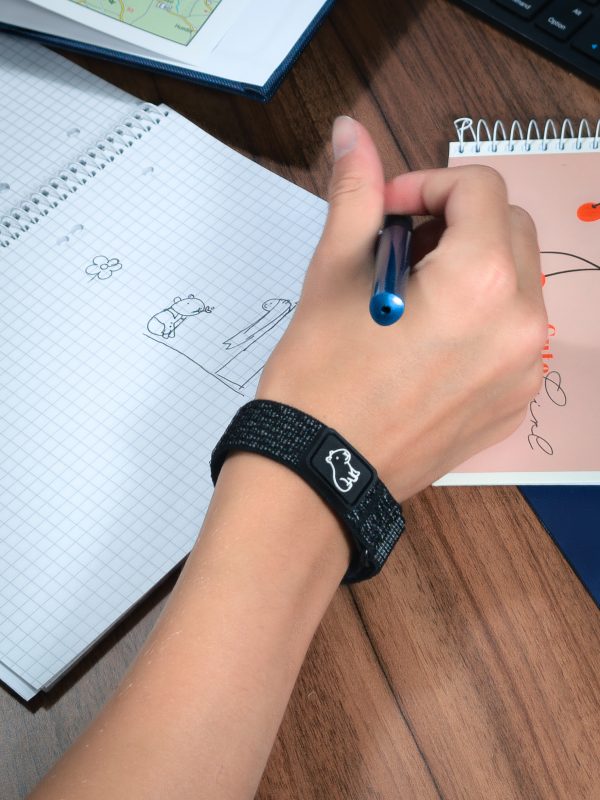
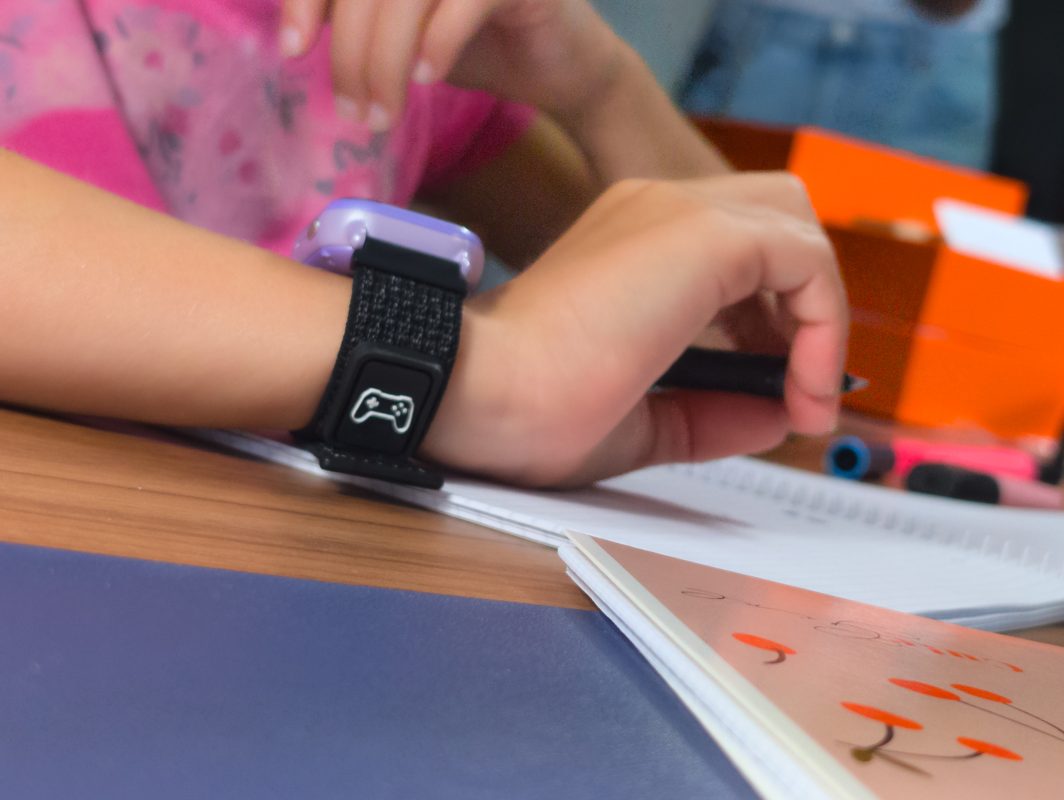
Take the Maxcom wristband, for example. At first glance, it’s just an electronic gadget that looks cool on the wrist. With the right approach, however, it can become a tool that helps you teach your child how to manage their own budget—both now, when they have only an allowance and gifts from grandparents, and later, when a regular paycheck starts coming into their account.
Buying an NFC wristband alone, however, isn’t a solution in and of itself. You’ll need to put in some effort and creativity to introduce serious topics in an accessible way.
Practical Examples of Learning at Home
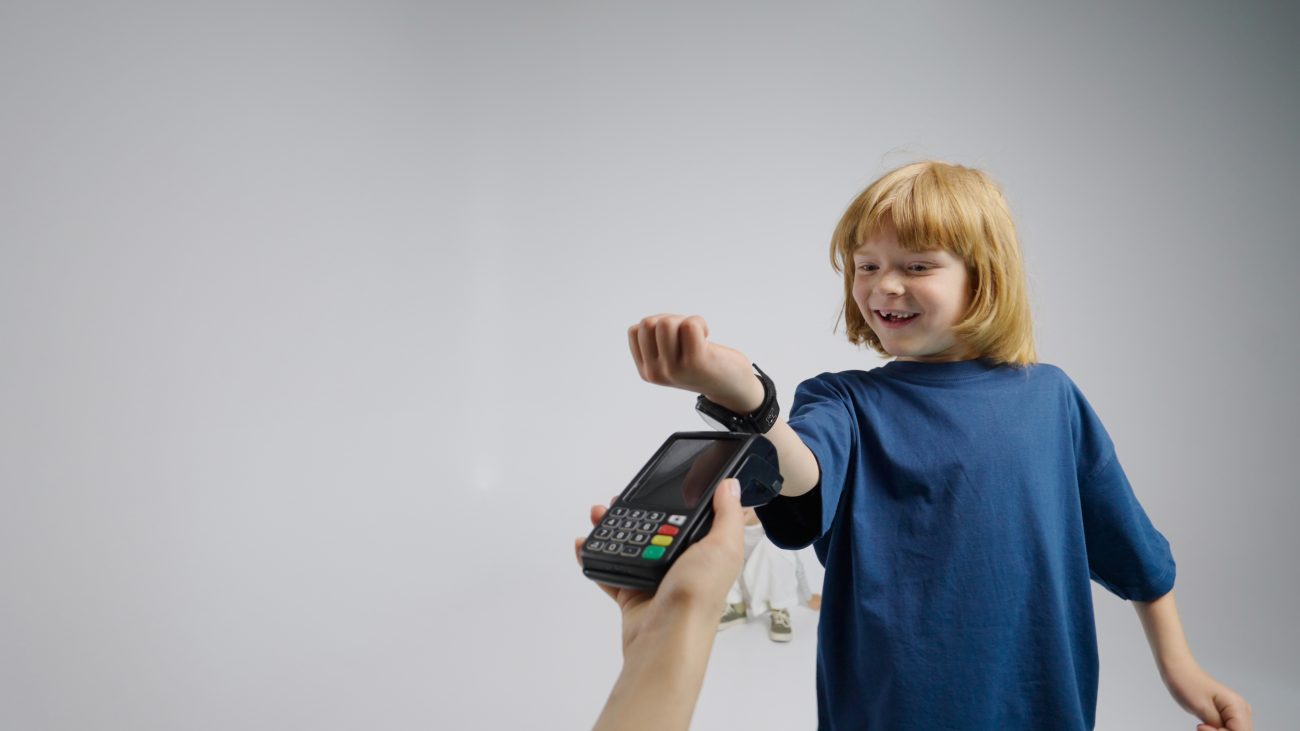
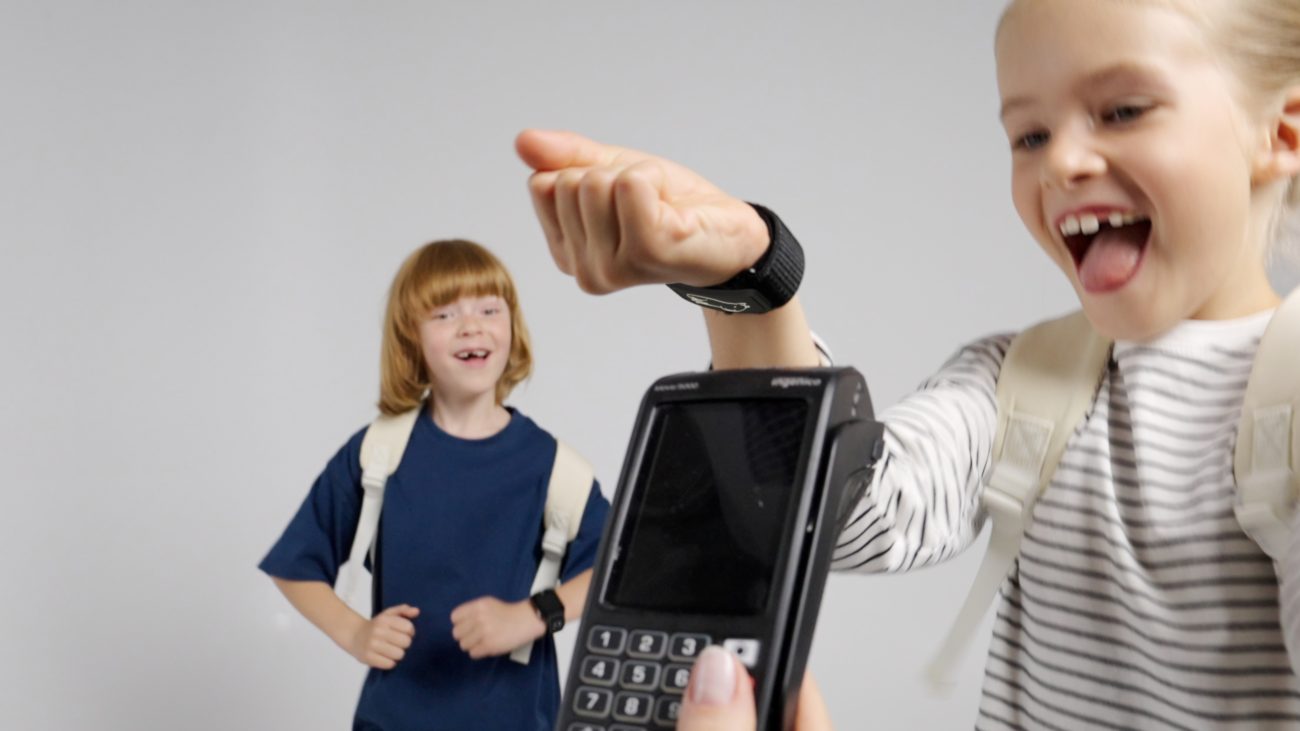
Simply paying with the Maxcom wristband is an important part of the learning process, because it shows that money isn’t just the bills and coins you hand to the cashier. It also exists in the digital world as numbers in a banking app that decrease with every withdrawal and increase when money is deposited.
Every decision made—such as buying a candy bar, paying for a game subscription, or leaving savings in the account—has certain consequences. It’s worth explaining these to your child in simple terms:
- once money is spent, it’s gone;
- a toy gets boring quickly, and the taste of candy is just a memory;
- to have money again, you have to wait for your next allowance or birthday deposit.
Once your child understands the connection between spending money and seeing their savings dwindle, it’s a good idea to boost their motivation by increasing their allowance slightly—and their financial responsibility will grow. Now that they have a certain amount at their disposal, you can start discussing with them what they want to spend it on.
Try to encourage your child to choose a more ambitious goal than a toy they can afford right away. This will make saving a test of patience and build perseverance. However, the goal should be achievable—for example, a video game console costing several thousand with only a dozen or so zlotys saved each month isn’t realistic, and your child will quickly lose interest in saving.
Don’t completely restrict spontaneous purchases. Small treats, such as popcorn at the movies or a candy bar from the store, are fine as long as they fit within a specific portion of the budget. This is the cornerstone of sensible money management, which is also meant to be enjoyable.
Allowance and Financial Responsibility—How to Combine the Two?
While a piggy bank is an attractive option for a toddler, school-age children and teenagers will be more interested in allowance 2.0—paid directly into an account linked to a Maxcom payment wristband. For the youngest kids, it’s simply a cool feature, and for you, it’s a slightly different way to teach budget management—in this case, using numbers in an app instead of cash that can be divided among several savings jars.
How does digital allowance beat cash?
Does taking 10 zł out of your wallet seem easier to you than buying a wristband, setting it up, and then regularly transferring allowance funds? Contrary to what it might seem, all of this will only take a moment, and an allowance in this form can offer your child more benefits than giving them cash. These include:
- no risk of losing money, since it’s safely secured on their wrist,
- reduced risk of theft due to transaction tokenization and the requirement to approve transactions with a PIN for amounts over 100 zł,
- the ability to review transactions in the bank account history and discuss your child’s choices in a friendly atmosphere,
- full parental control, allowing parents to set daily and monthly spending limits, as well as block the wristband if it is lost or stolen.
Ms. Zofia also talks about the practical benefits of this form of allowance; she used to worry about her grandson Mateusz until she understood how this solution works.
As a grandmother, I often had the urge to slip a bill into Mateusz’s pocket, saying, “Buy yourself something nice.” And then I’d worry: Did he spend it wisely? Did he save any of it? Does he really understand the value of that money? I wanted to spoil him, but I also knew that this didn’t teach him much. When I saw how he was using the wristband, I felt that I could finally give him “money that makes sense.” In agreement with his mom, I can contribute to his savings so that, over time, I can ask, “What did you spend it on?” He proudly shows me in his mom’s banking app that he bought a book or the game he’d been dreaming of. I realized that I’m supporting him in a different way—not just by giving, but by teaching. And that brings me immense joy—being part of his journey as he grows up in a world that’s changing faster than we grandparents can sometimes keep up with.
How can you teach a child financial responsibility in the digital age?
Financial responsibility is one of those values that will certainly serve children well in adulthood. They won’t learn this in school, and figuring it out on their own can lead to many painful lessons—especially if they rely solely on the mechanics of video games, which don’t always reflect reality.
By starting your child’s financial education when they’re just a few years old, you’re doing them a huge favor—one they’ll thank you for in a dozen or so years. And even if they forget about it—because the learning happened naturally and through play—you can take satisfaction in the fact that your child is handling adulthood so well.
FAQ – Frequently Asked Questions
How does the Maxcom Pay payment wristband promote financial responsibility in children?
The wristband converts allowance into a digital form, enables contactless payments, and allows for real-time monitoring of the balance and spending history. This helps your child learn to budget and avoid impulse purchases.
Is digital allowance safer than cash?
Yes. The money is in an account, so it can’t be lost. Transactions over 100 zł require a PIN, and parents can set spending limits and block the wristband if it’s lost or stolen.
How can you involve a teenager in planning the household budget?
It’s a good idea to show them living expenses—such as bills and groceries—and the percentage of their income these account for. A banking app allows you to group expenses, which helps them realize that money goes toward necessities first and then toward treats.
At what age should financial education begin, and should you discuss your own financial mistakes?
Ideally, start from a very young age, tailoring examples to the child’s age. Talking about parents’ financial mistakes teaches humility and responsibility and shows that mistakes are a natural part of learning.