












Pocket Money 2.0 – How to Wisely Introduce Your Child to the World of Finance?


When it comes to teaching children about financial literacy, dry theory never works. Managing one’s own budget and developing a healthy attitude toward money must be taught through hands-on experience, and allowance is the best way to do this. Here’s what you need to know.
Pocket Money 2.0 – What You Need to Know:
- Practice is the key to success. The best form of financial education for children is giving them an allowance. This allows them to learn how to manage money, make decisions, and face the consequences in a safe environment. It’s a lifelong lesson that starts with small amounts.
- Adjust the allowance to your child’s age and needs. Start giving an allowance when your child starts school. For a 7-year-old, small amounts are enough to learn the basics. For a 10-year-old, you can increase the amount while teaching them how to budget, and for 12-year-olds and older, it’s a good idea to give them more freedom to manage larger sums.
- Opt for “digital allowance” and new technologies. Instead of cash, consider modern solutions such as the Maxcom Pay NFC wristband. It’s not just a fun gadget, but also a secure tool that teaches children how to use cashless payments, gives them a sense of independence, and allows parents to maintain control.
- Allowance is a tool, not a goal. The amount of allowance should be tailored to the family’s financial situation, not to the expectations of peers. What matters most is the educational value and learning to manage a budget responsibly, regardless of its size.
Pocket Money – How Does It Teach Financial Responsibility?
Whether a child has 100 or 1,000 zlotys at their disposal, the same basic principles of personal budgeting apply in both cases. What’s more, with smaller amounts, mistakes turn out to be less costly, and the lessons learned from them are remembered for a lifetime anyway.
That’s why it’s important to ensure children receive proper financial education—on your own, because in this case, it’s best not to rely solely on what they learn in school. Effective learning should focus on practice and creating a safe space for observing and emulating desirable behaviors. Children watch how their parents handle money and then adopt their habits: first on a small scale with their allowance, and later when they receive their first paycheck.
Although the approach to money should be primarily practical, it’s also worth showing your child the other side of the coin. Finances are not an end in themselves, but serve to provide a sense of security and the opportunity to fulfill dreams—they can therefore also be seen as an inspiration to reach further and get more out of life.
Pocket Money as a Tool for Financial Education
For a preschooler, financial education may be limited to observing and imitating their parents—in a friendly atmosphere. When they start first grade, their needs may change, creating the perfect opportunity to introduce the next, more practical stage of learning. An allowance for children will prove to be a helpful tool here.
In theory, this is money set aside for the child, who can spend it on whatever they want. Your role is to guide them so they discover that it’s not worth spending everything right away on something they’ll soon forget about. Waiting for something better—something they first need to save up for—brings immense satisfaction and the joy of having achieved something. Right now, it might be buying their dream bike, and in a dozen or so years, it might be a car or their first apartment.
Pocket money is a good way to help a child realize that the items on store shelves aren’t always available right away. The child sees how much they have saved in their piggy bank and the price tag on the item they want to buy—and in this way, they begin to understand the value of money. On the other hand, when they spend all their money on one thing and later take a liking to something else, they’ll discover the consequences of ill-considered financial decisions.
Although it may sound trite, this works exactly the same way for adults—albeit on a larger scale. Spending your savings on a fancy dinner or designer clothes might be tempting in the moment, but in the long run, it’s more important to feel secure when something unexpected happens.
When should you start giving your child an allowance?
Although there’s nothing wrong with putting money in a baby’s piggy bank, your child won’t truly appreciate it until they start school. That’s when they’ll discover what lies behind the numbers and how adding or subtracting them affects what they can afford.
It’s not just important to know when giving a child an allowance is a good idea, but also how it affects their financial education depending on their age.
Allowance for a 7-Year-Old
Most students starting elementary school don’t have high expectations when it comes to allowance, so a few or a dozen or so zlotys a week is more than enough to cover a young child’s small expenses.
Pocket money for a 7-year-old serves a symbolic purpose and is primarily intended to teach the basics. The child should understand how their savings grow and how they dwindle. It’s also a good time to show them that fleeting whims quickly lose their appeal, so it’s not worth making hasty decisions.
Allowance for a 10-Year-Old
An older child can now be entrusted with a slightly larger amount (e.g., 20–30 zlotys per week) without worrying that they’ll spend it all on candy or fast food. At this stage, the child is more responsible, so it’s a good time to plan a budget—for example, by setting aside pocket money for several different goals.
This amount of allowance for a 10-year-old is also enough to show them the difference between the cheapest and most expensive products. You can teach them that sometimes it’s better to wait and buy something of good quality than to waste money on something that’s poor quality and will break quickly.
Allowance for a 12-Year-Old
The teenage years come with their own set of rules, and that means more expenses than before. Going out with friends, after-school activities, or cool gadgets are just a few examples of how a 12-year-old or older child might spend their allowance. Therefore, it’s worth considering a slightly higher amount, such as 50 zlotys per week.
At this stage of development, you can give your child a little more freedom in making financial decisions. Of course, you should still exercise discreet oversight and talk openly about finances.
How do you determine the amount of an allowance for a child?
The amount of allowance doesn’t matter in terms of its educational value or your child’s self-esteem. Therefore, it’s a good idea to adjust it to your financial situation, as well as to factors related to your child, including their:
- age—as children grow older, their goals and dreams expand, so you might consider increasing their allowance,
- needs—extra money can be used for all of your child’s treats or just the bigger ones, since you’ll cover the rest anyway,
- interests—some hobbies can be expensive, so an allowance that’s too low could prevent them from pursuing their passions.
Also remember that you don’t have to feel bad about not being able to give your child the same amount of allowance that their peers receive. The most important thing is that you’re giving them a good start in life and teaching them to manage their budget wisely.
How does technology support financial education?
In theory, an allowance can simply be cash handed out regularly at set intervals, such as once a week or once a month. Keep in mind, however, that your child is very comfortable with modern technology and will surely enjoy a cool gadget that motivates them to learn about managing their finances.
Modern Methods of Managing Allowance
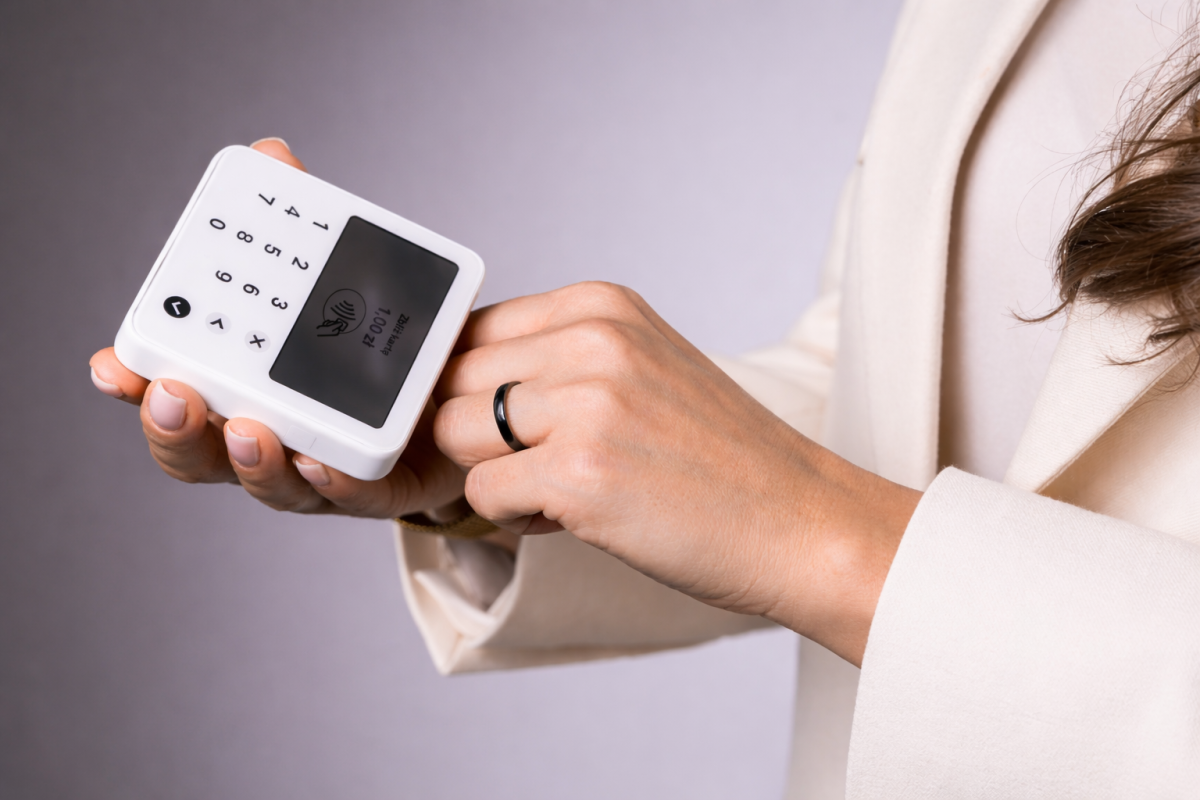
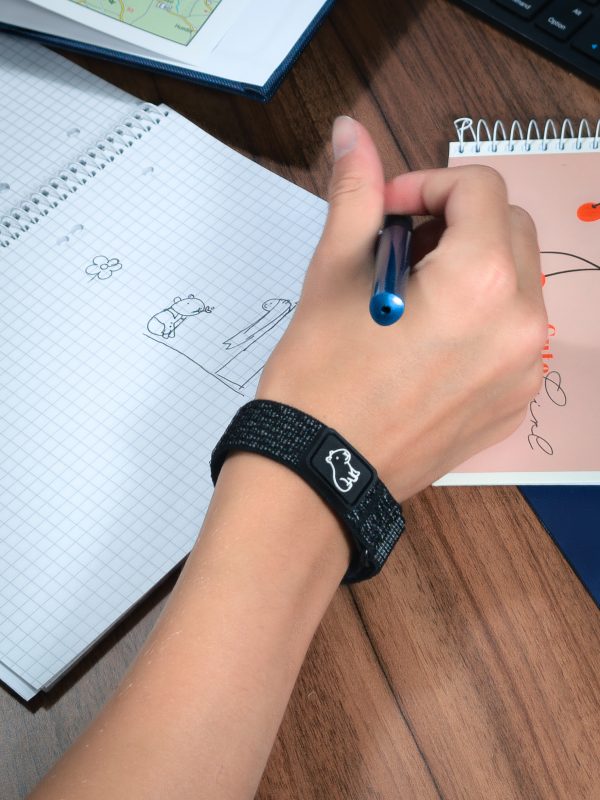
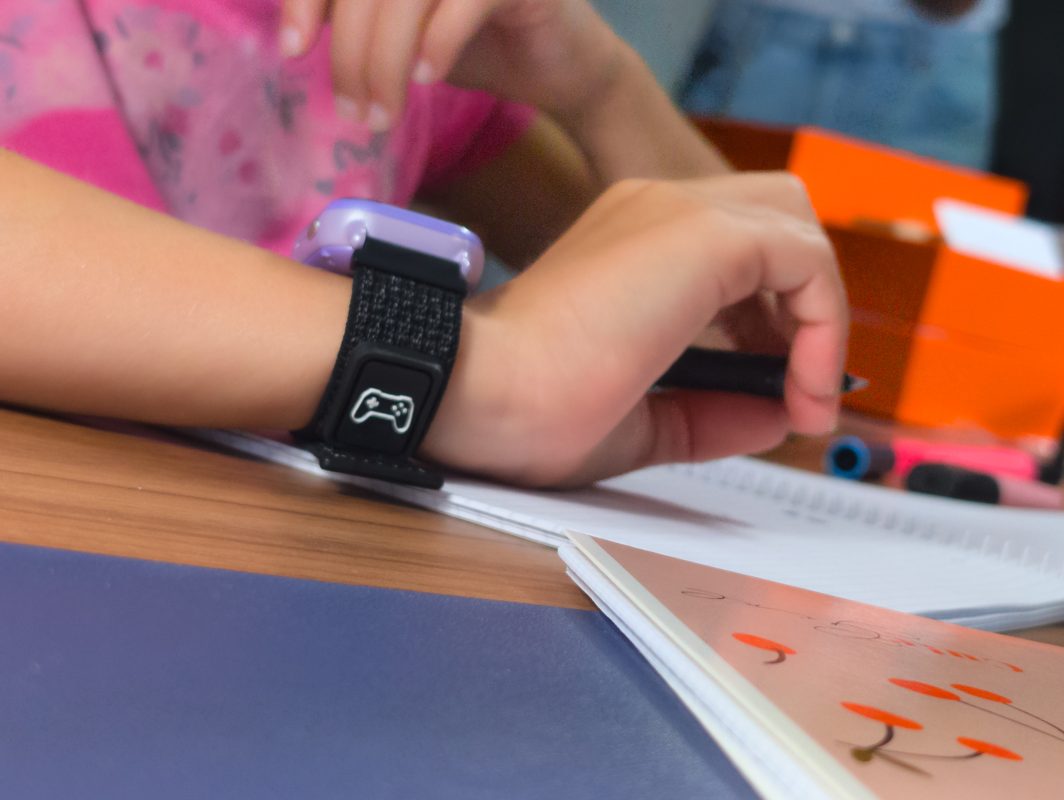
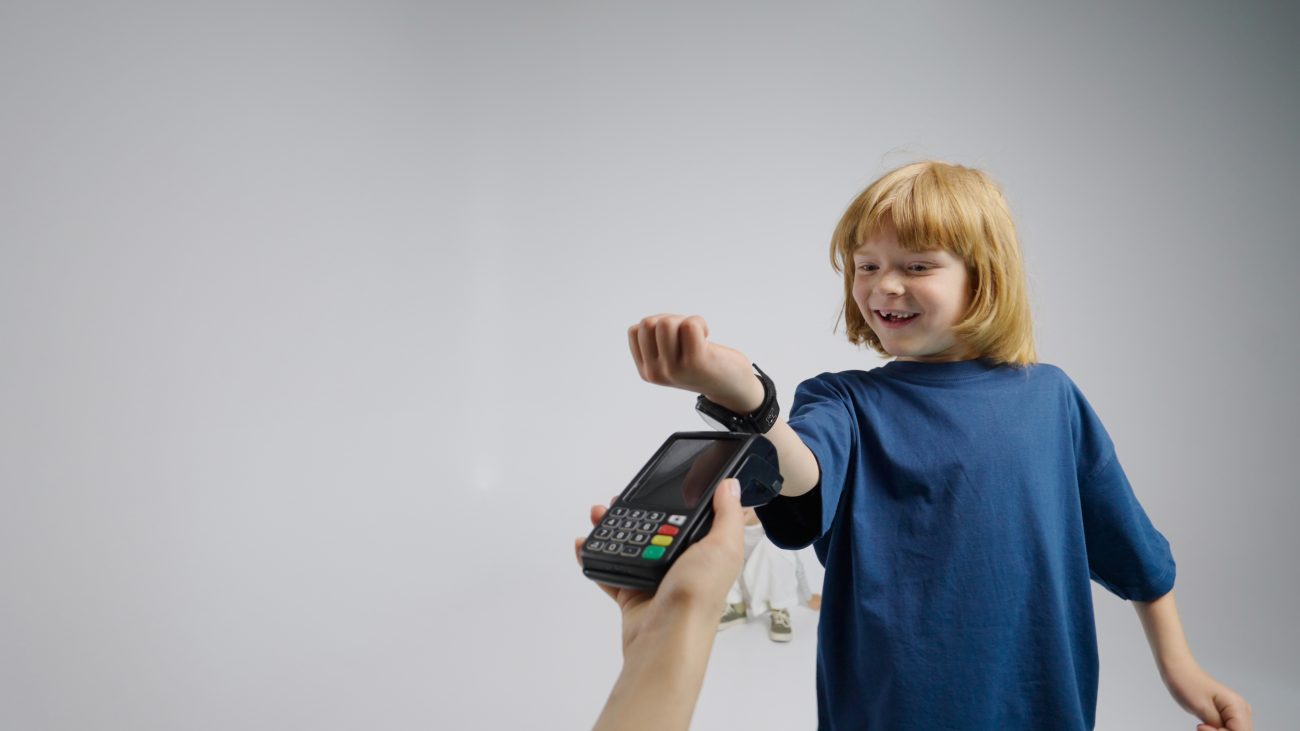
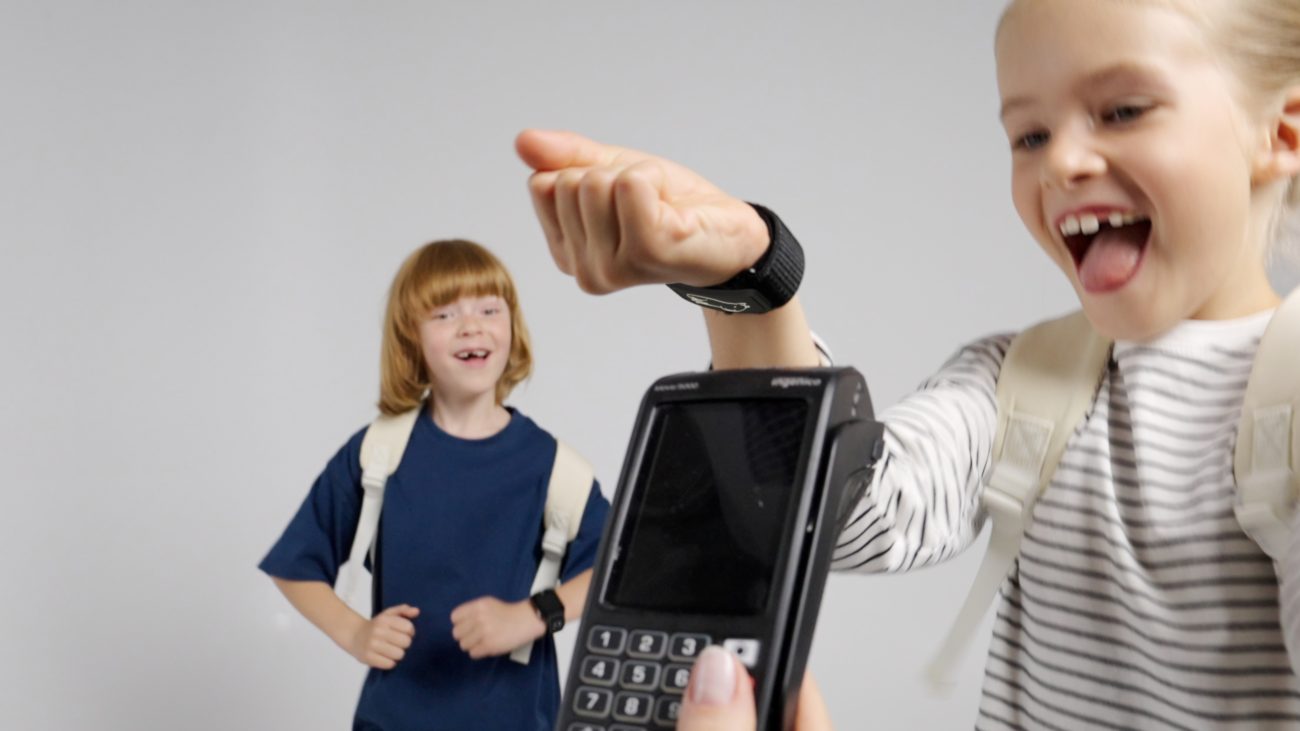
If you decide to go with “digital allowance,” your child might be interested in the Maxcom Pay NFC wristband. It’s lightweight and comfortable for everyday use, and extremely easy to operate. As long as you set it up in advance and link a debit card to it, all they need to do is tap their wrist against a terminal to make a payment.
A major advantage of this type of allowance is that it’s always at hand and impossible to lose. If your child encounters an unexpected situation, they’ll be able to handle it even if their wallet is left at home. The wristband fits snugly on the wrist, so there’s no need to worry about losing it, and if a pickpocket appears on the scene, they won’t be able to read the information from the payment card because it’s encrypted with a token.
From a parent’s perspective, the NFC wristband provides peace of mind and the opportunity to oversee your child’s financial education, while still giving them a sense of complete freedom. All you need to do is set daily transaction limits and regularly check the transaction history. However, any missteps shouldn’t be treated as something bad or worthy of punishment. It’s an opportunity to learn from the experience and gain new insights.
Allowance 2.0 – Controlled Financial Independence for Your Child
It doesn’t matter in what form you give your child an allowance. However, children definitely prefer to manage their money digitally rather than putting bills and coins into a traditional piggy bank. With Maxcom Pay, you can provide your child with a comfortable, secure environment for learning and help them develop good habits—habits they’ll thank you for later.
FAQ – Frequently Asked Questions
When is the right time to start giving an allowance?
It’s recommended to introduce an allowance once your child can count well enough to understand the different denominations. A good time to start is when they begin school—that is, first grade.
How should you react if your child spends all their allowance at once?
Financial education involves the risk of making mistakes and learning from them. Above all, don’t get angry with your child or show disappointment. Instead, calmly discuss the issue and explain what they can gain if, starting with their next allowance, they begin setting aside money for a specific goal.
Is it better to give an allowance weekly or monthly?
You’ll need to tailor this to your financial situation and your child’s needs.